September 24 - 26, 2026. Alicante, Spain

React Alicante

The international React.js conference in Spain

unsplash-logo Artem Sapegin

React Alicante 2026

Join our international conference on React and React Native in one of the sunniest cities in Europe! You can buy your tickets, or become a sponsor.

The schedule will be published on May 1.

34 International Speakers

Learn from some of the best front-end developers and speakers out there.

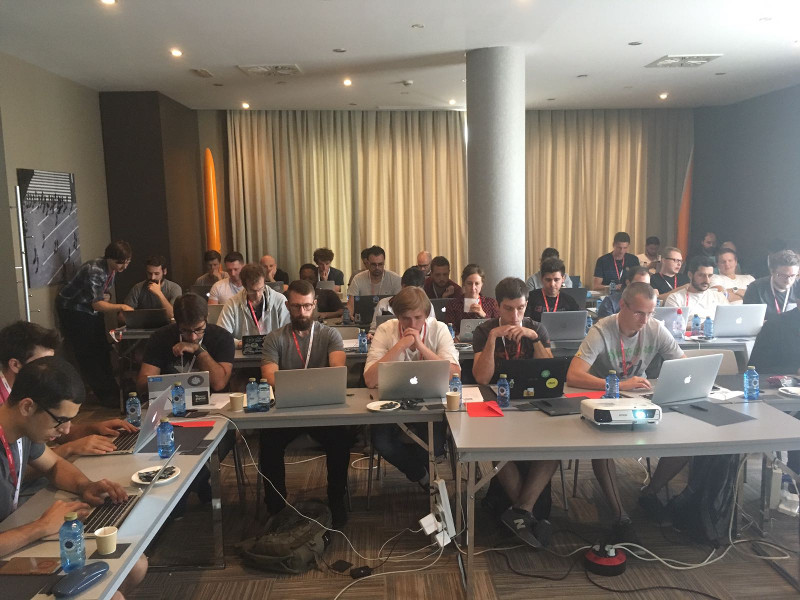
10 Workshops

Do you want to boost your skills? This year we have 8 workshops covering different topics and levels.

600 In-Person + Remote

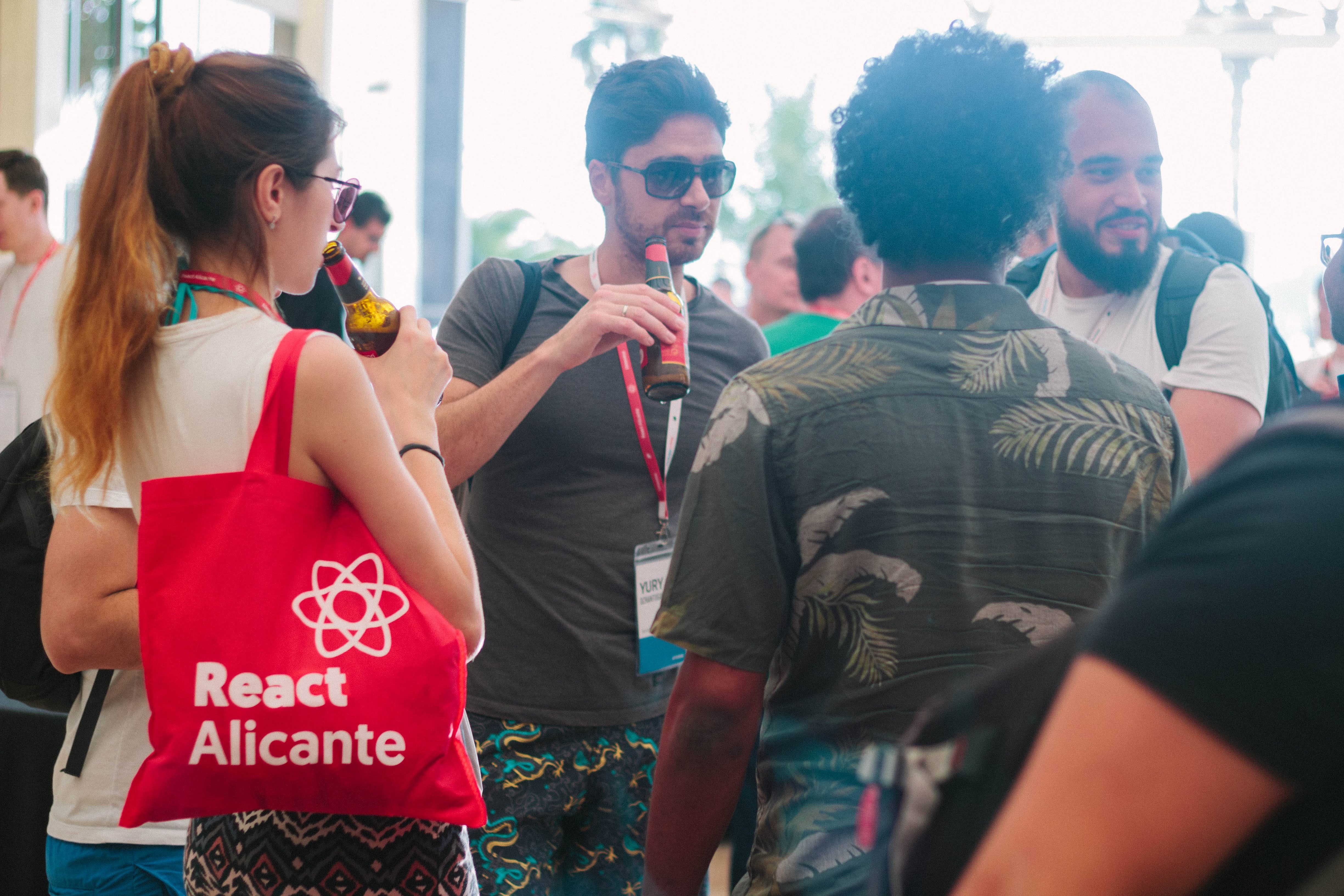
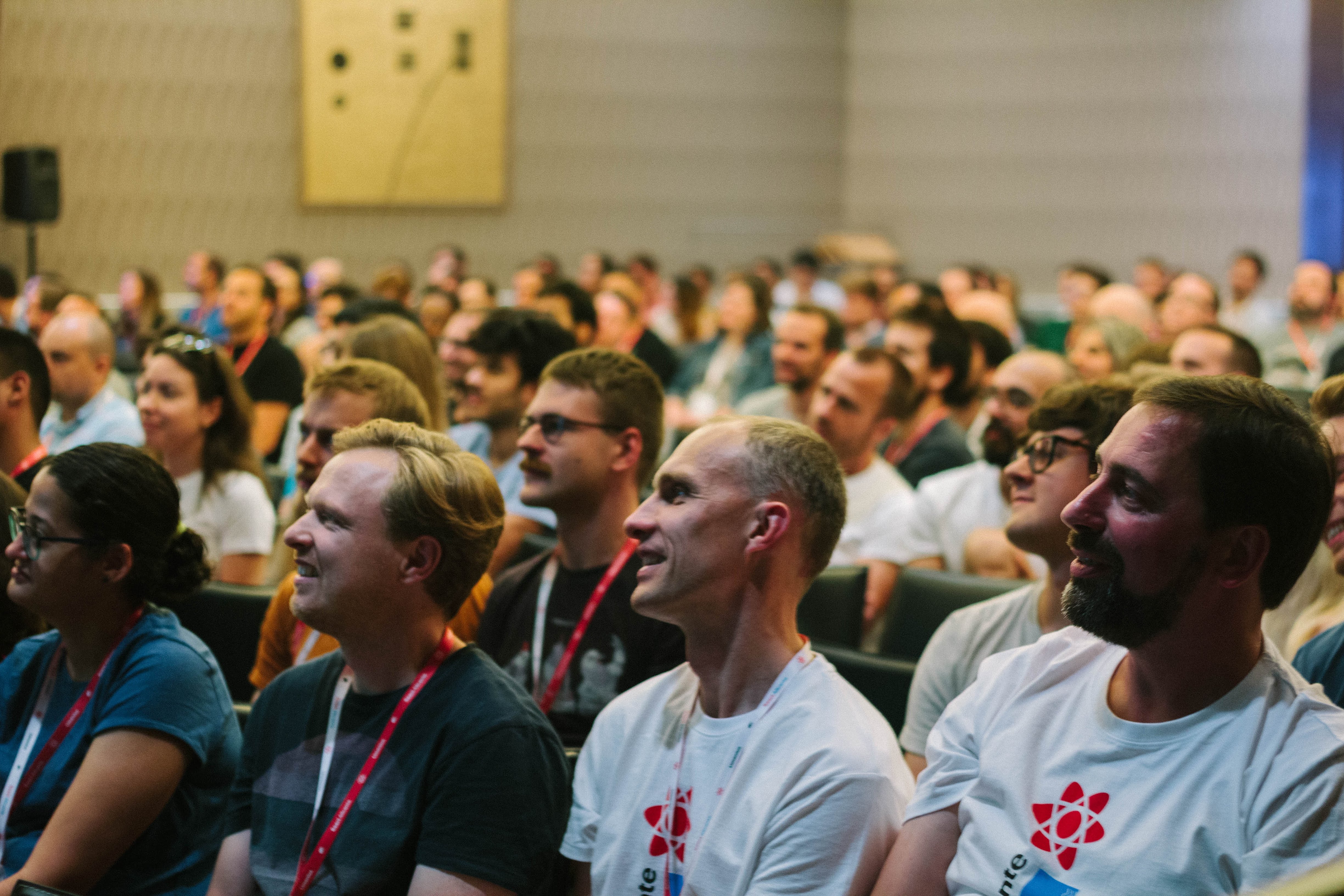
Be one of them and enjoy a few days of learning, networking, sunbathing and fun.

Event will start in:

  • 0
  • 0
Days
  • 0
  • 0
Hours
  • 0
  • 0
Minutes
  • 0
  • 0
Seconds

Are you a React or React Native developer?

Then you shouldn’t miss React Alicante next September! Top experts will show you the latest advances in these technologies, discuss the challenges and opportunities currently facing software development, and share their own stumbles and successes. Join us for a few days of fresh ideas that you’ll be able to apply at work and in your own projects, while meeting people from around the world and enjoying the food and warm weather of Spain’s southeastern coast.

On Thursday, you’ll have the opportunity to join one — or even two! — of our in-depth workshops. The conference itself will take place on Friday and Saturday, with 34 talks by 34 great speakers. Get your tickets before it’s too late!


Get ticket now

3

Days

32

Talks

10

Workshops

600

Attendees (+ remote audience)

Our Speakers

First confirmed speakers for 2026. More coming soon.

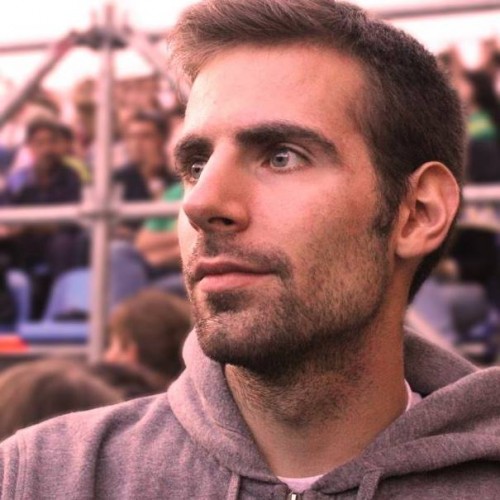
Hayk  Yaghubyan

Hayk is a Lead Software Engineer working at casavi GmbH. He started his engineering journey 14 years ago as a full-stack developer with a focus on frontend technologies. Over his career, he has worked in different countries and gained experience with all major frontend frameworks and libraries, such as React, Vue.js, Angular 2+, and AngularJS—among others.

Krzysztof  Kowalczyk

Self-taught software engineer, UX enthusiast, problem solver. Currently a software engineer at Elastic, working on global UX solutions for Kibana.

Łukasz  Nowak

Software engineer with 15+ years experience. Focused on web-side handled by React, however, pleasuring himself by wandering the areas of software architecture, high quality testing automation, mentoring or unification of frontend development for web and mobile. Occasional speaker covering internal calls, international conferences and everything in between.

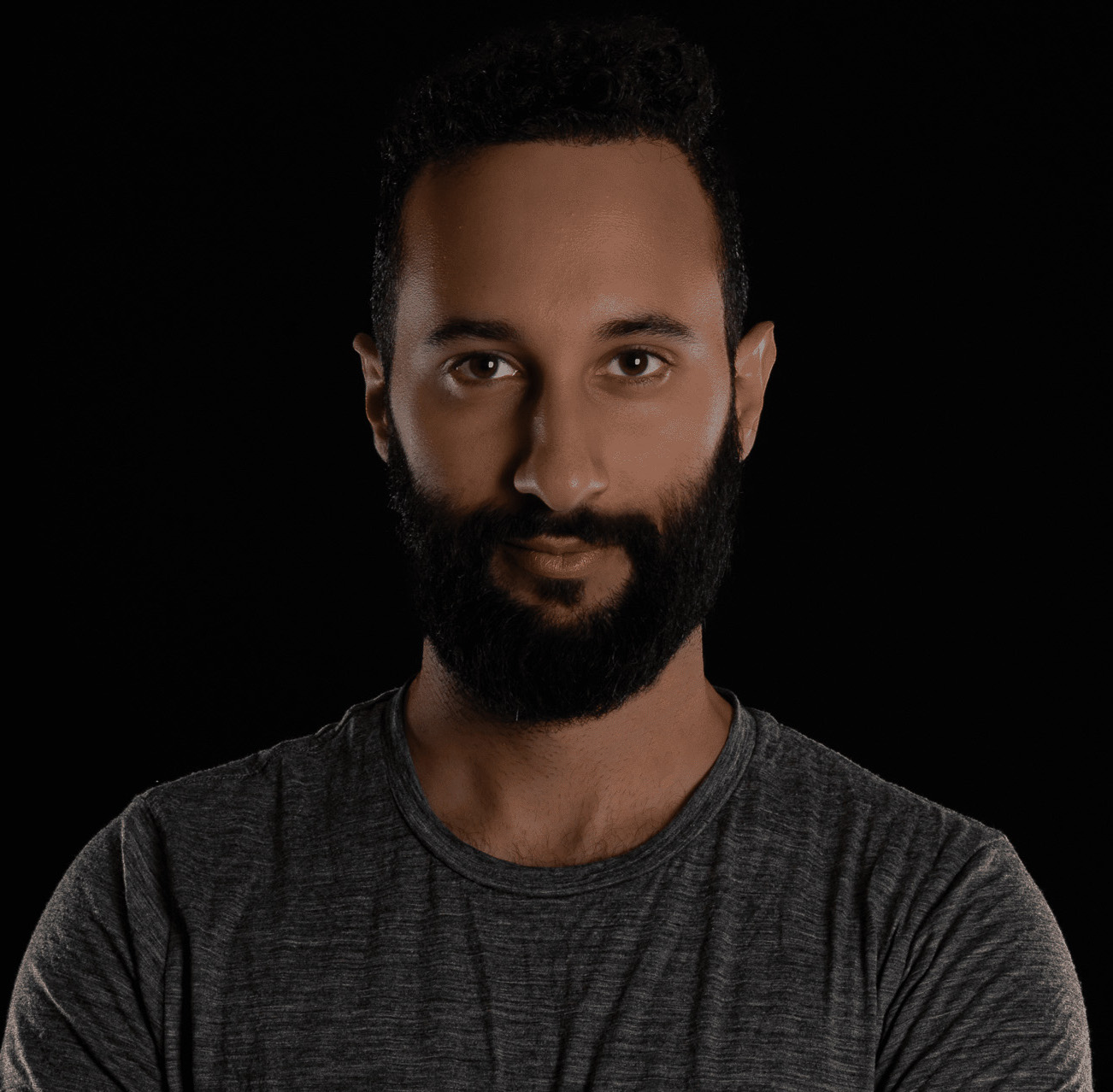
Faris  Aziz

Faris Aziz is a Staff Frontend Engineer specializing in React, Next.js, monetization systems, and resilient web architecture. He's led teams in early-stage startups and scaling companies, built career ladders from scratch, and shipped systems used by millions. His work spans greenfield builds and legacy refactors across Fintech, SaaS, Fitness, and Connected TV, with companies like Smallpdf, Fiit, Discovery, GCN, and Navro. He focuses on building performant, user-centric applications with solid observability and maintainability. Faris co-organizes ZurichJS, contributes to tools like Raycast, and spends time contemplating life's great questions, like why the build works on his machine but nowhere else.

Joel  Arvidsson

Joel is a Swedish principal engineer, prolific open source author with 50k+ stars, and React Native core contributor with 11 years in the ecosystem.

Kevin  Maes

Kevin loves building software and has focused on React for the past decade. Since moving to Spain three years ago, he’s worked on developer tooling at Stately.ai and mobile and desktop fintech applications at Lab49. He currently works at BlueFolders modernizing logistics workflows with agentic tools and processes. He’s passionate about data art, building personal finance applications, and continuously rehydrating his roots in creative coding.

César  Alberca

Freelance Frontend Architect | Helping You Build Scalable, AI-Ready, Frontend Architecture. Digital nomad from Spain. As a Freelance Frontend Architect, I design and build robust, maintainable applications using React, Angular and Vue—with a strong focus on architecture, testing, and software craftsmanship. I specialize in DDD, Hexagonal Architecture, and Modular Design Systems. International speaker and Codemotion committee member and ambassador, and a published book author, I’m passionate about empowering teams and sharing knowledge through talks, workshops, and open-source contributions. For me, code is not just a tool—it’s a craft.

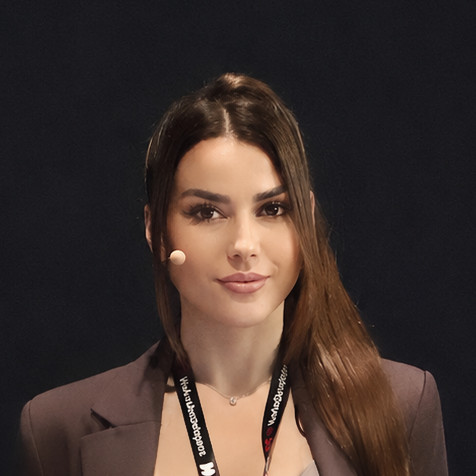
Evangelia  Mitospoulou

Evangelia is a frontend-focused full-stack engineer with 20 years of experience building scalable web applications across startups, research, and global organisations. She has led frontend development for an AI platform at ETH spin-off Modulos, worked on identity and access management at Elastic Cloud, and contributed to projects for Google and NATO, with additional experience in the Swiss fintech ecosystem. Her background includes Semantic Web and Linked Data research, with contributions to the mEducator Schema and datasets on the Linked Open Data Cloud. As the founder of Philomath, she applies cognitive load theory and learning science to help engineers build deep, adaptable frontend expertise. She speaks about frontend architecture at scale, AI-driven systems, and how engineers can stay relevant in a rapidly evolving ecosystem.

Kateryna  Porshnieva

Kateryna is an engineer from Ukraine with 12+ years of experience in UI development and design, currently leading engineering at Buffer. She is passionate about accessible web, design systems and making complex things simple. Apart from work, she is active in tech community, organises board game nights and is known as a coffee snob.

Dominik  Dorfmeister

-

Erik  Rasmussen

American expat living in Spain, author of Redux Form, Final Form, and currently revolutionizing mc² at Fuse Energy.

Oana Gabriela  Stroe

Currently leading the Design Chapter at Hubtype, where she champions Lilara, their design system, foster engineering and design collaboration, and drive innovation through systems thinking and data-driven decisions. From co-founding a design studio to refining experiences in fast-moving industries, each step has been a lesson in adaptability and growth. Beyond her day-to-day role, she is a co-organizer at Ladies that UX Barcelona, UX Coach at FemTech, and a mentor on ADPList.

Forbes  Lindesay

Forbes is a full stack developer working primarily with node.js and React. He maintains many open source projects, including [funtypes](https://funtypes.dev), [@databases](https://www.atdatabases.org) and [Pug](https://pugjs.org)

Néstor  López

Néstor López is a software architect at Zephyr Cloud and a core contributor to Module Federation. He specializes in microfrontends, edge computing, and distributed systems, contributing to open source and sharing his work through articles, talks, and workshops on modern software architecture.

Eduardo  Aparicio Cardenes

Eduardo is a Software Engineer with over 18 years of experience in frontend development and modern web technologies. He is the creator of GenX API and lead the Payment UI at Super, where he focuses on building scalable, reliable platforms for complex customer journeys. His work combines architecture, developer experience, and modern frontend practices to help teams deliver faster with confidence. From streamlining codebases to introducing microfrontends, progressive web apps, and scalable platform solutions, he is passionate about building technology that performs at scale and enables better products.

Sara  Vieira

-

Jakub  Tkacz

Maintainer of Expo Router and software engineer at Expo. Previously maintained React Native Screens.

Matteo  Collina

-

Daniel  Afonso

Daniel Afonso is a Senior Developer Advocate at PagerDuty, SolidJS DX team member, Instructor at Egghead.io, and Author of State Management with React Query. Daniel has a full-stack background, having worked with different languages and frameworks on various projects from IoT to Fraud Detection. He is passionate about learning and teaching and has spoken at multiple conferences around the world about topics he loves. In his free time, when he's not learning new technologies or writing about them, he's probably reading comics or watching superhero movies and shows.

Matheus  Albuquerque

Matheus is a Staff Front-End Engineer at Medallia, building their surveys platform and helping them shape the customer experience market with React. He is also a Google Developer Expert in Web Performance. His areas of interest include React and its ecosystem, JS and compile-to-JS languages, DX, and perceived performance optimization. In addition to public speaking on these topics, he volunteers at TechLabs, where he teaches front-end development.

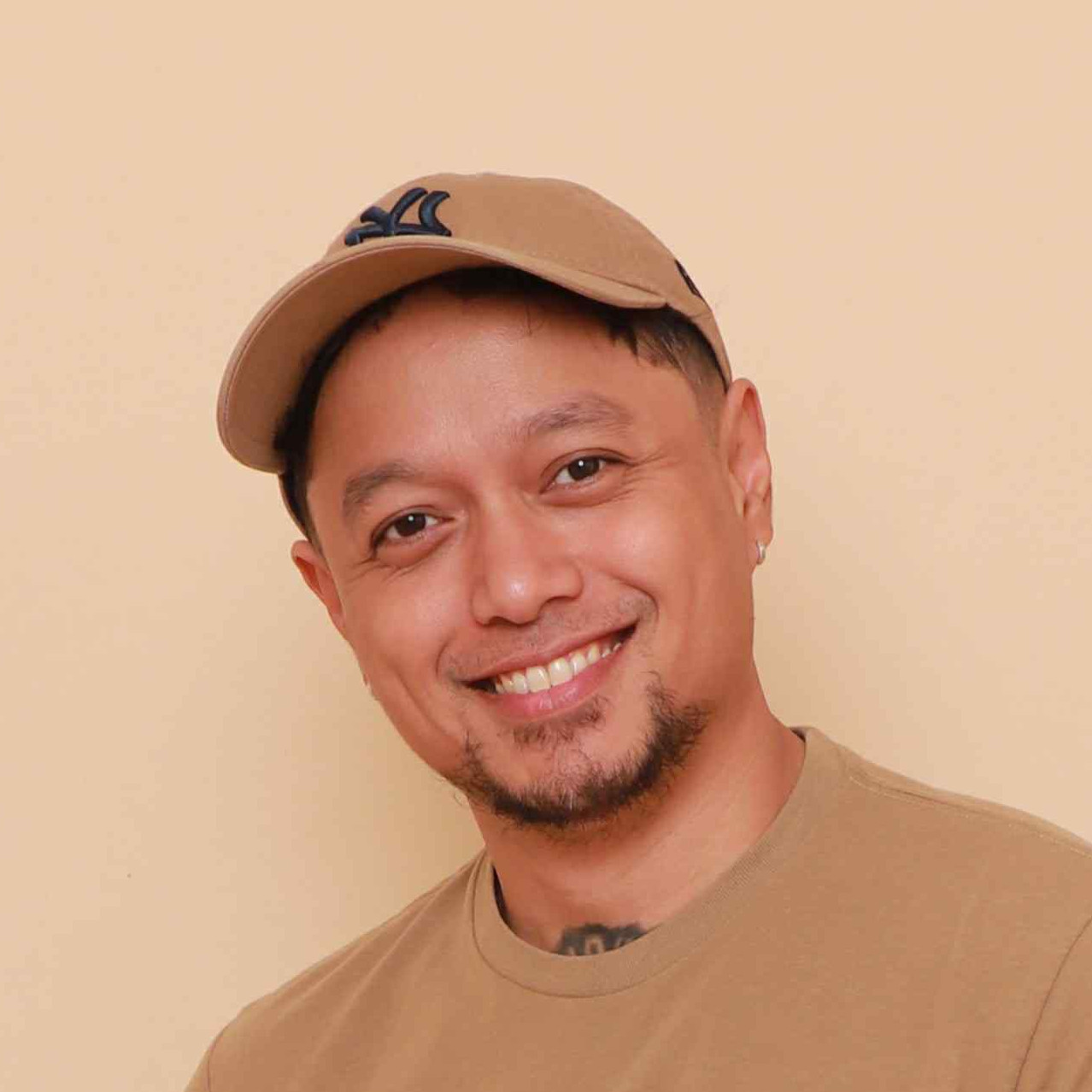
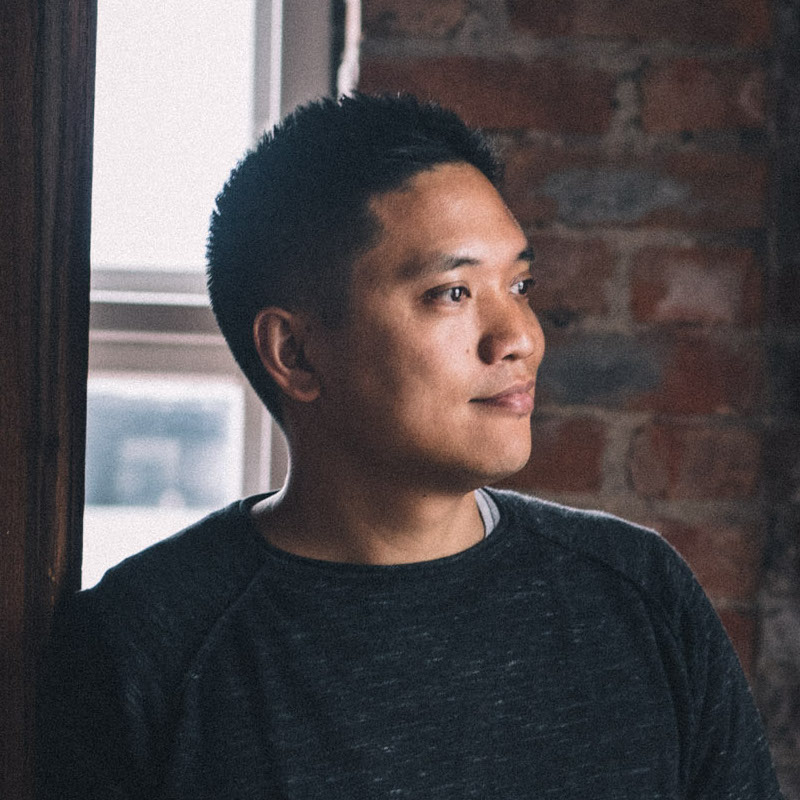
Devlin  Duldulao

Devlin Duldulao is a Filipino full-stack cloud engineer based in Norway. He is a Microsoft MVP, a trainer, a conference speaker, a published book author, and a chief senior consultant at Inmeta. He loves going to universities and user groups to share his expertise.

Marcel  Kalveram

Marcel has been working with React since 2016, when he built his first prototype in React—and later React Native. While he has spent most of his career as an engineer at heart, over the years he has developed a strong product-minded approach, blending this across roles ranging from individual contributor to product owner and now back to IC. Originally from Germany, he has been living in sunny Valencia for the past 17 years—long enough to call both Bratwurst and Paella home.

Aris  Markogiannakis

Senior Frontend Developer, a Lecturer and a community Leader in London (and the world), JavaScript Community organiser and the creator of CityJS Conference.

Milica  Aleksic

Senior Software Engineer | Co-founder Women In Tech Nis

Sujit  Pradhan

Sujit Pradhan is a React developer with over 9 years of hands-on experience, now leading a team of engineers and helping shape how modern frontend applications are built. He actively keeps up with the rapidly evolving world of software development, with a strong focus on React and a growing interest in how AI is reshaping the future of applications. His goal is to bring ideas that are both actionable today and relevant for what’s coming next.

Ferran  Negre

Ferran Negre is a software engineer and indie app developer based in Wrocław, Poland. With 10 years of React Native experience, he was part of the early days at Callstack before jumping into building his own products. He now ships production apps solo under the FitHero ecosystem — FitHero, CalHero, and FlexHero — serving thousands of paying subscribers. He spoke at React Alicante in 2018 and 2019, and cares about building apps that are fast, feel native, and solve real problems — because his users don't care what framework he used.

Violina  Popova

Violina is a software developer with over a decade of experience in the tech industry, specialising in building scalable cross-platform applications. She is currently a developer at ClipMyHorse.TV, the world’s leading video streaming platform for equestrian sports, where she works on delivering high-quality digital experiences to a global audience. She is also the co-founder of Frontend Queens, a global community created with the belief that everyone, especially women, should have the opportunity to thrive in technology.

Milica  Drača

Milica is a Software Engineer with a strong passion for building visually appealing and user-friendly applications. She enjoys exploring new trends, especially AI in modern frontend development, and discovering how they can bring real value. In my free time, you'll find me reading, baking, traveling, and practicing my latte art skills.

Aileen  Villanueva Lecuona

I’m a Software Engineer, Google Developer Expert (GDE), and community builder based in Mexico. My work centers around JavaScript, web development, and emerging AI tooling. I use AI as a tool in my engineering workflow, helping me prototype rapidly and take my ideas further. I'm highly interested in the future of interaction design and building interfaces where users and agents work side-by-side. Outside of work, I actively organize tech communities in Mexico. Whether I'm running a meetup, hosting a workshop, or speaking at a conference, my goal is to create approachable spaces for anybody to learn and share knowledge

Shivay  Lamba

Shivay Lamba is a software developer specializing in DevOps, Machine Learning and Full Stack Development. He is an Open Source Enthusiast and has been part of various programs like Google Code In and Google Summer of Code as a Mentor and has also been a MLH Fellow. He is actively involved in community work as well. He is a TensorflowJS SIG member, Mentor in OpenMined and CNCF Service Mesh Community, SODA Foundation and has given talks at various conferences like Github Satellite, Voice Global, Fossasia Tech Summit, TensorflowJS Show & Tell.

Mark  Erikson

Mark Erikson is a Senior Engineer at Replay, and lives in southwest Ohio, USA. Mark is a Redux maintainer, creator of Redux Toolkit, and general keeper of the Redux docs. He tweets on BlueSky at @acemarke.dev, and blogs at https://blog.isquaredsoftware.com. He spends much of his time answering questions about React and Redux anywhere there's a comment box on the internet, and usually hangs out in the Reactiflux chat channels.

Ankita  Kulkarni

Ankita is an experienced tech educator (10+ years) who empowers developers through courses (Next.js, Engineering Leadership) and YouTube content. Previously a Senior Technical Leader, she's architected and scaled web/mobile apps using React, GraphQL, React Native and Next.js. Ankita has educated over 10,000 students.

Aurora  Scharff

Aurora Scharff is a DX Engineer at Vercel and the React Certification Lead at certificates.dev. She specializes in education and community engagement around React and Next.js, developing high-quality learning resources, creating demo applications, and speaking at conferences worldwide to support and advance modern web development practices.

Christopher  Buecheler

Chris has been building for the web professionally since 1997, mostly for startups, and has been working with React since 2015. In addition to his work at Embeddable, he's also the creator of EmbedBsky.com and SimpleRSS.dev

Mattia  Manzati

Mattia is a frontend developer passionate about frontend software architectures. A lover of TypeScript and React. His favourite hobby is to try out new and weird things in tech.

Our Workshop Speakers

They will help you boost your skills!

Matheus  Albuquerque

Matheus is a Staff Front-End Engineer at Medallia, building their surveys platform and helping them shape the customer experience market with React. He is also a Google Developer Expert in Web Performance. His areas of interest include React and its ecosystem, JS and compile-to-JS languages, DX, and perceived performance optimization. In addition to public speaking on these topics, he volunteers at TechLabs, where he teaches front-end development.

Devlin  Duldulao

Devlin Duldulao is a Filipino full-stack cloud engineer based in Norway. He is a Microsoft MVP, a trainer, a conference speaker, a published book author, and a chief senior consultant at Inmeta. He loves going to universities and user groups to share his expertise.

Dominik  Dorfmeister

-

Evangelia  Mitospoulou

Evangelia is a frontend-focused full-stack engineer with 20 years of experience building scalable web applications across startups, research, and global organisations. She has led frontend development for an AI platform at ETH spin-off Modulos, worked on identity and access management at Elastic Cloud, and contributed to projects for Google and NATO, with additional experience in the Swiss fintech ecosystem. Her background includes Semantic Web and Linked Data research, with contributions to the mEducator Schema and datasets on the Linked Open Data Cloud. As the founder of Philomath, she applies cognitive load theory and learning science to help engineers build deep, adaptable frontend expertise. She speaks about frontend architecture at scale, AI-driven systems, and how engineers can stay relevant in a rapidly evolving ecosystem.

Flavio  Corpa

Frontend Engineer. JavaScript and Functional Programming Enthusiast. OSS contributor in: React, Vue, Angular, Babel, Webpack, Styled Components and others!

Faris  Aziz

Faris Aziz is a Staff Frontend Engineer specializing in React, Next.js, monetization systems, and resilient web architecture. He's led teams in early-stage startups and scaling companies, built career ladders from scratch, and shipped systems used by millions. His work spans greenfield builds and legacy refactors across Fintech, SaaS, Fitness, and Connected TV, with companies like Smallpdf, Fiit, Discovery, GCN, and Navro. He focuses on building performant, user-centric applications with solid observability and maintainability. Faris co-organizes ZurichJS, contributes to tools like Raycast, and spends time contemplating life's great questions, like why the build works on his machine but nowhere else.

Shivay  Lamba

Shivay Lamba is a software developer specializing in DevOps, Machine Learning and Full Stack Development. He is an Open Source Enthusiast and has been part of various programs like Google Code In and Google Summer of Code as a Mentor and has also been a MLH Fellow. He is actively involved in community work as well. He is a TensorflowJS SIG member, Mentor in OpenMined and CNCF Service Mesh Community, SODA Foundation and has given talks at various conferences like Github Satellite, Voice Global, Fossasia Tech Summit, TensorflowJS Show & Tell.

Łukasz  Nowak

Software engineer with 15+ years experience. Focused on web-side handled by React, however, pleasuring himself by wandering the areas of software architecture, high quality testing automation, mentoring or unification of frontend development for web and mobile. Occasional speaker covering internal calls, international conferences and everything in between.

Kathleen  McMahon

Kathleen is a software engineer, designer, and international conference speaker with deep industry experience that fuels her passion for creating beautifully accessible apps. She’s a Senior Design Technologist at Electronic Arts, a Design Tokens Community Group spec editor and the Creative Director for the CXsisters network. She can be found racing bikes — in costume — as the best lanterne-rouge cyclocrosser you’ll ever meet.

Glenn  Reyes

Glenn is a software engineer, tech speaker and educator with a passion for building beautiful user interfaces using cutting edge web technologies and open source software such as React, GraphQL and TypeScript. Aside from tech, you’ll find him either traveling, underwater, on a road bike or playing the guitar.

Have a peek at what is coming

Event Schedule 2026

Full schedule will be published on May 1.

Thursday 9:00 - 13:00 ROOM 1.3

Build Your Agentic Workflow: Markdown-Driven AI for Real Projects

Evangelia Mitospoulou

This is a hands-on workshop where attendees build their own skills and agents in Claude Code, not a demo, not a tutorial to follow passively. Bring your laptop and a project you're working on.

You'll learn the difference between a skill and an agent, how to write markdown workflows that encode engineering judgment, and how to compose them into a system that handles component scaffolding, PR reviews, and release steps. By the end you'll have a working .claude/ folder with real skills running against your own codebase.

You leave with something that works on your project, not a toy example.

Thursday 9:00 - 13:00 ROOM 2.2

React Query - Beyond the Basics

Dominik Dorfmeister

In this workshop, we'll go beyond the fundamentals and explore some of the more powerful features React Query has to offer. You'll gain a deeper understanding of how it works under the hood and learn how to write scalable, maintainable React Query code.

Together, we'll build a simple example app and incrementally enhance it with one core objective in mind: delivering the best possible user experience. That means snappy interactions, minimal layout shifts, and avoiding unnecessary loading spinners wherever we can.

To achieve this, we'll dive into advanced techniques like various forms of prefetching (including integration with route loaders), seeding the query cache, crafting smooth paginated experiences, and even persisting query state through full page reloads using persistence plugins.

Note: You should have prior knowledge about React Query if you attend this workshop.

Thursday 9:00 - 13:00 ROOM 1.4

Building Generative UI with MCP in React

Glenn Reyes

Chat interfaces are everywhere, but most of them are still limited to text.

In this hands-on workshop, you will learn how to build interactive React components that live inside conversational interfaces. Instead of returning static responses, your apps will generate UI based on user intent.

We will explore Generative UI and how MCP enables it. You will see how the same prompt can produce different interfaces depending on context, and how this leads to more personal and adaptive user experiences.

This workshop follows a collaborative, mob-style format. We will build together using AI coding agents, focusing on understanding patterns and decisions rather than writing everything from scratch.

Thursday 9:00 - 13:00 ROOM 2.3

Compilers & Static Analysis for JavaScript Developers

Matheus Albuquerque

Everything you need to implement full-featured, static-analysis-enabled workflows for modern JS apps—packed into a hands-on experience. You’ll learn both high-level concepts around static analysis and compiler design, and gritty details like AST transformations and codemod pipelines.

In this workshop, we'll be building multiple tools/workflows with technologies such as Babel, cheerio, jscodeshift, ast-grep, ts-morph, AST explorer, and more.

We’ll talk about languages that compile to JavaScript and explore how static analysis powers linters, formatters, bundlers, front-end frameworks, and even our browsers.

From there, we dive into real-world case studies to explore the usage of AST tools to modernize, generate, and even interpret millions of LOC across different codebases.

We'll cover universal compiler topics, such as control flow and data flow analysis, classic optimizations such as inlining and dead-code elimination, as well as more research-oriented topics.

The work here consists mostly of reading papers, exploring open-source compilers, and completing open-source hacking tasks, so be prepared to work on code reviews that'll leave you with a toolkit and mindset that may transform how you build front-end/JavaScript apps.

Thursday 9:00 - 13:00 ROOM 1.2

10x React Development with TanStack Query, HeyAPI, and AI Copilots

Devlin Duldulao

Last year, I deployed a large-scale React application where I personally wrote less than 1% of the codebase—yet delivered a product that impressed users, managers, and engineers alike. This app development wasn't it was strategic tooling.

In this workshop, I'll guide you to the workflow that enabled this level of productivity: TanStack Query for robust data synchronization, TanStack Router for type-safe routing, HeyAPI for automated API client generation, and AI coding agents for handling the repetitive, heavy lifting.

Thursday 13:00 - 14:15 -

lunch

Thursday 14:15 - 18:15 ROOM 2.1

Real-World React: Designing Frontend Architectures That Survive Production

Faris Aziz

Most React workshops focus on building features. This one focuses on keeping them alive.

In production, React applications fail in ways that local environments never show: partial outages, slow dependencies, silent errors, broken rollouts, and performance regressions that only appear under real traffic. This workshop is a practical, architecture-first walkthrough of how experienced teams design React systems that stay resilient, observable, and scalable long after the first release.

We will explore how component architecture, reconciliation in practice, and runtime failure patterns shape performance and operability far more than memoization tricks or framework features. Using React and Next.js as shared reference points, we will work through concrete patterns for failure recovery, error containment, safe rollouts, and post-deployment confidence.

This is a hands-on, experience-driven workshop based on real production constraints, tradeoffs, and lessons learned from operating large React applications at scale.

Attendees will leave with a mental model for building frontend systems that can fail safely, recover quickly, and ship continuously without fear.

Most of the workshop is framework and library-agnostic, but we'll use React and Next.js as our common ground for communication and examples.

This is not an exhaustive masterclass; it's a conversation starter and experience share to jumpstart your journey toward battle-tested software architecture.

Thursday 14:15 - 18:15 ROOM 2.8

Design System Test Kitchen! Recipes for AI-Ready Components

Kathleen McMahon

Design systems are like a well-stocked test kitchen: developers are the head chefs and AI tools are the line cooks. With the right ingredients, recipes, and kitchen rules, teams can rapidly turn ideas into UI. But without machine-readable recipe cards and kitchen rules, AI has to guess, and developers end up with something nobody ordered. This workshop shows how to make your design system AI-ready: component metadata, usage guidance, accessibility expectations, and validation. Walk away knowing exactly what to fix and how to fix it.

Thursday 14:15 - 18:15 ROOM 2.3

Functional programming in TypeScript

Flavio Corpa

TypeScript gives us a powerful type system, but most of us are still writing code that's fragile, hard to test, and full of hidden surprises. What if the compiler could guarantee your functions are honest?
In this hands-on workshop, we'll rewire how you think about code by applying Functional Programming principles directly in TypeScript. No Haskell degree required. Starting from pure functions and immutability, we'll progressively climb to Option, Either, Task, and the fearsome-but-friendly Monad — all grounded in real-world patterns you can use on Monday morning.
You'll walk away knowing how to:

Model absence and errors without null or try/catch
Compose async operations safely with pipe and flow
Leverage fp-ts to write code that's honest, predictable, and a joy to test

Whether you're FP-curious or already writing .map().chain() in your sleep, this workshop will level up your TypeScript — one type constructor at a time.

Thursday 14:15 - 18:15 ROOM 0.3

Building AI-Powered React Apps with TanStack AI

Shivay Lamba

In this hands-on workshop, you’ll learn how to integrate AI directly into your React apps using the newly launched TanStack AI. The workshop will show you how you can leverage the Tanstack to build a fully agentic app end-to-end, starting from server setup and finishing with a streaming client, tool calling, human-in-the-loop workflows, and real debugging using TanStack DevTools.

Through guided exercises, you’ll learn how to set up TanStack AI on the server, connect a client application to a streaming AI backend, build a functional chat interface, create your first AI tools, and implement approval flows so humans can stay in control when tools are invoked.

By the end of the session, you’ll understand the core building blocks of AI-powered applications powered by TanStack and also learn important AI concepts which are becoming extremely important these days.

Thursday 14:15 - 18:15 ROOM 2.2

Test your frontends the bulletproof way

Łukasz Nowak

Have you ever found your automatic tests being difficult to understand or the entire suite being flaky? Silly question, sure you have, like all of us. This situation usually happens when we misuse tools or testing approaches. It looks like writing them is not as simple as it initially looked.
This workshop is dedicated for solid mid-level developers, aspiring to create valuable, extremely high quality test suites of their frontend apps in Vite/Jest and Playwright. We’ll run through most common misconceptions becoming a source of invaluable scenarios and understand factors making them bullet proof. The workshop not only will cover the most popular integration type of tests, but also give you an example of exotic ones, like accessibility or visual regression.
Please note: This is a proposition for the same workshop I’ve performed during last year’s edition of React Alicante. It’s been successful through several other initiatives and receiving positive opinions. This made me think it might be an interesting proposition for another group of developers attending this year. Obviously, the talk is going to be supported by a dedicated repo with example application and examples of enterprise class testing suites. It’s already available under https://github.com/LukaszNowakPL/bulletproof-frontend-testing

Saturday 18:15 - 19:15 -

refreshments & networking

Friday 08:00 - 08:50 -

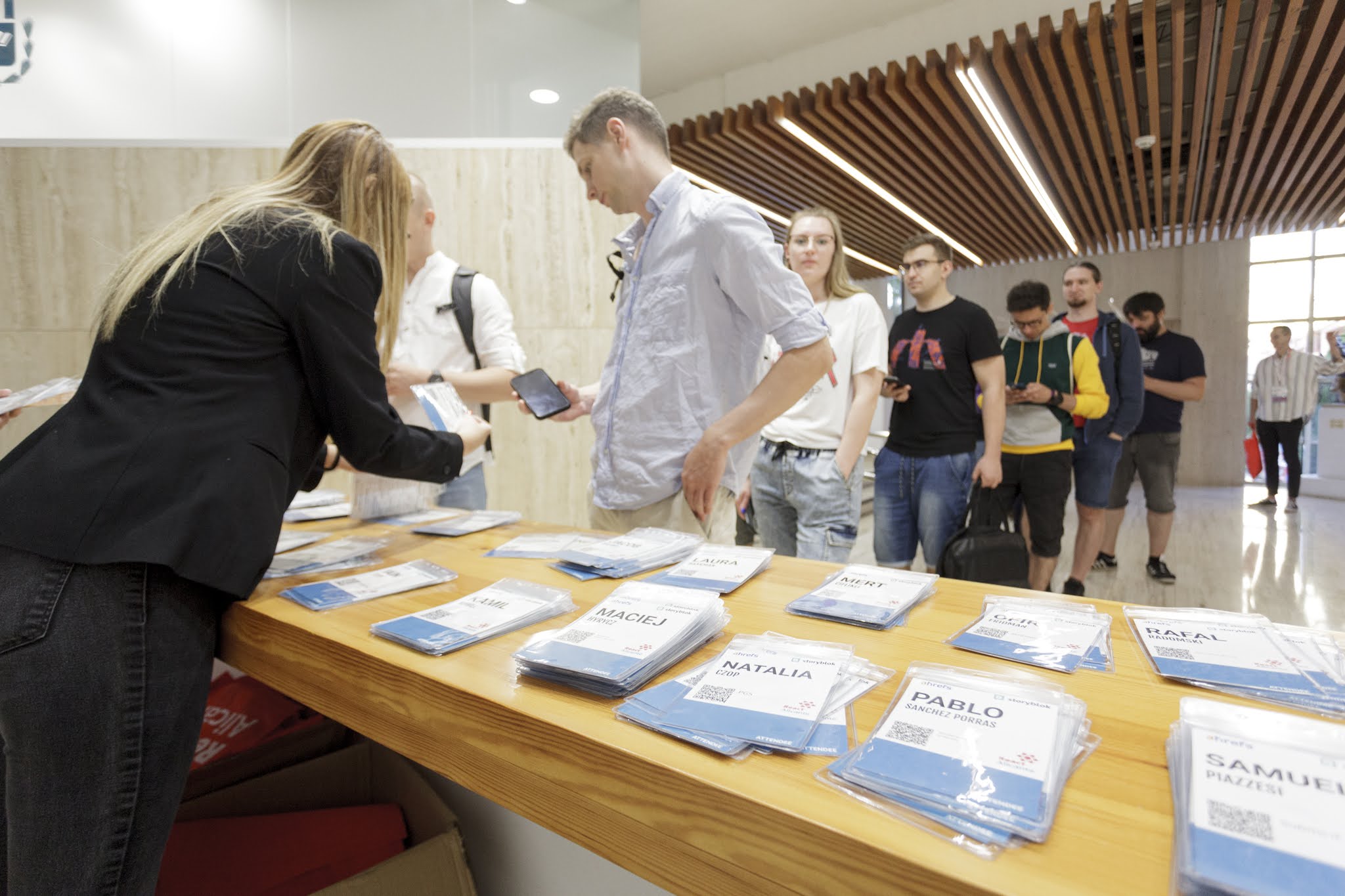
badges pick-up

Friday 08:55 - 09:00 -

conference opening & welcome

Friday 9:00 - 9:35 AM -

React-Driven Development: Career Lessons from the Framework Wars

Daniel Afonso

""No one uses what I built!""
""Why can't I get support to do this?""
""I don't even know why we're using that?""
""Why am I always the one doing everything?""

Sound familiar? The truth is, friction is ever-present in our careers — in our influence, processes, relationships, and even the code we ship. But we're rarely taught how to handle it.

Here's the fun fact: React's history is full of lessons in dealing with friction. From the early skepticism around JSX and the Virtual DOM to the chaos of Server Components, the React team has navigated many friction points you'll face: skeptical stakeholders, unclear messaging, delayed initiatives, and the challenge of getting buy-in.

So let's recap the highlights since its birth to the latest release, understand what React got right (and wrong), and extract practical takeaways you can apply to your career, team, and developer experience initiatives. Whether you're leading a team, building internal tools, or advocating for a technical decision, you'll leave with concrete strategies for driving change, building trust, and shipping initiatives that actually get adopted.

Friday 9:35 - 10:10 -

-

Matteo Collina

Friday 10:10 - 10:45 -

What RSCs can do in Next.js today

Aurora Scharff

-

Friday 10:45 - 11:15 -

coffee-break

Friday 11:15 - 11:50 -

Native o’clock: time to use the platform

Joel Arvidsson

Following years of converging, the native platforms look drastically different again – it’s time to leverage the biggest strength of React Native and make our users happier at the same time.

Instead of limiting ourselves to the lowest common denominator, this talk explains why and how to leverage the underlying platforms’ native components and APIs to build a better, faster and more accessible app.

It explores the differences between the iOS and Android platform SDKs, how the more recent SwiftUI and Jetpack Compose frameworks are a great but underutilized fit for React Native due to shared paradigm, and finally how to tap into them using either Nitro or Expo Modules.

Friday 11:50 - 12:25 -

Your simple frontend shares backend challenges

Mattia Manzati

Frontend and backend are often treated as opposite worlds. But are they really? Modern frontend apps face many of the same challenges as backend systems: multiple tabs drifting out of sync, shared cache invalidation, coordinating a single source of truth, retries, optimistic updates, and stale data. In this talk, we’ll look at how everyday UI code increasingly becomes a coordination problem, and what we can learn from backend thinking to handle it better.

Friday 12:25 - 13:00 -

Making your codebase AI-ready

Kateryna Porshnieva

For decades, we've optimized code to be read by humans — naming conventions, file structure, abstractions, documentation. All of it shaped by what helps a person understand the code and make changes safely. Now more and more code is written, reviewed, and navigated by AI, which doesn't have the same strengths or weaknesses we do.

This talk asks what good architecture looks like in the AI era, in a way that sets AI up to succeed. I'll share what we've learned leading this shift at Buffer — which traditional principles still hold, which need rethinking, and how to approach this transformation in an existing codebase.

Friday 13:00 - 14:25 -

lunch

Friday 14:25 - 16:00 -

Lightning Talks

Łukasz Nowak - D[JS]

Milica Drača - Building Schema-Driven Forms in React

Krzysztof Kowalczyk - Improving frontend developer productivity in large React codebases

Eduardo Aparicio Cardenes - From Isolation to Acceleration: Building the fastest payment platform on an iFrame

Sujit Pradhan - React Compiler: Goodbye useMemo? Rethinking React Performance

Marcel Kalveram - Monoliths Work — Until They Don’t

Oana Gabriela Stroe - Redrawing the line between engineering and design

Jakub Tkacz - How Expo Observe can help you improve your app

Aris Markogiannakis - Securing Your React Application: From CSP to Real-World Threat Protection

Friday 16:00 - 16:30 -

coffee-break

Friday 16:30 - 17:05 -

Fun with streams

Forbes Lindesay

Streams are an excellent abstraction for handling real time events, and streaming data such as audio and LLM responses. This talk takes you through the key APIs of web streams, and provides some examples for how you can use them in your applications.

Friday 17:05 - 17:40 -

Ripple: the Good Parts of React, Svelte, and Solid

Erik Rasmussen

Throughout history, empires rise and fall. Throughout web development, frameworks rise and fall. In 2026, we are firmly in ""late stage React"", where young devs can't remember the world any other way, and older devs are keeping their eye on the horizon for what's next.

What if I told you there was a TypeScript-first UI framework created by a member of both the React _and_ Svelte core teams focused on fine-grained reactivity and rendering speed that will look instantly familiar to you?

I'd like to introduce you to Ripple, show you around its syntax and philosophy and stimulate your mind out of the Present and into the Future.

Friday 17:40 - 18:15 -

-

Sara Vieira

Friday 18:15 - 19:15 -

refreshments & networking

Saturday 9:00 - 9:35 AM -

-

Dominik Dorfmeister

Saturday 9:35 - 10:10 -

Build. Scale. Teach: Architecting and Scaling a Production-Ready Modern Course Platform

Ankita Kulkarni

Most tutorials show you how to build a course platform. None of them show you what happens after you ship it.

This is the honest post-mortem of building and scaling nextjscourse.dev, a custom, production-ready platform built entirely with Next.js and React. No off the shelf LMS, just real users and a lot of hard lessons.

We’ll cover the architectural decisions that held up and the ones that didn’t. What data fetching strategy to pick and when, optimizing using core web vitals, caching and revalidation patterns that actually work for paywalled content, and the real tradeoffs between building vs. buying at each layer of the stack.

A real case study in what production actually looks like and proof that you can still ship something powerful without reaching for a third-party platform.

Saturday 10:10 - 10:45 -

How I Made Immer Twice as Fast: Performance Optimization in Practice

Mark Erikson

We all want software to run fast, and ""performance"" can include everything from network times to keyboard latency. But what about when you really do need Blazing Fast (TM) CPU speed from your code? How do you know what sections of your code are slow, _why_ it's slow, and how to make it faster?

Like writing code and debugging, performance optimization is a skill set that anyone can (and should!) learn. We'll look at key concepts and approaches for profiling and optimizing CPU-level code performance, using real-world examples based on my experience optimizing the widely-used Immer JS library.

You'll learn how to set up reliable benchmarks, capture profiles and interpret flame charts, identify hotspots in your code, and apply optimizations ranging from simple wins like local caching to larger architectural changes. These techniques can help any developer's code run faster!

Saturday 10:45 - 11:15 -

coffee-break

Saturday 11:15 - 11:50 -

Saturday 11:50 - 12:25 -

React Native is Native — Back at React Alicante, 8 Years Later

Ferran Negre

In 2018, I stood on this stage and showed an app I built with React Native. It worked — but you could tell it wasn't quite native. Eight years later, the bridge is dead, the old architecture is gone, and I'm shipping three production apps solo that users can't distinguish from native.

This talk is an honest, opinionated walkthrough of what actually changed — from native navigation primitives and SwiftUI/Jetpack Compose in JSX, to CSS catching up with the web, to new libraries that simply couldn't exist on the old architecture. I'll show real screens from my apps, real before-and-after comparisons, and I'll be honest about what still needs work. No hype, no docs recap — just 10 years of React Native experience distilled into what matters.

Saturday 12:25 - 13:00 -

Visual Continuity on the Web: My Journey With View Transitions

Matheus Albuquerque

View transitions promise app-like fluidity on the web, but integrating them into real products isn’t always just about a few API calls—it’s a journey.

In this talk, I’ll share my story of adopting view transitions at work. We’ll discuss how browsers implement them (e.g., how snapshots are taken, how animation pseudo-elements are orchestrated, and how promises let you hook into the lifecycle). We’ll also explore how frameworks like Astro and React integrate view transitions into both SPA and MPA workflows.

Last but not least, we’ll discuss real-world patterns, gotchas, and lessons learned around edge cases, accessibility concerns, fallback strategies, and performance considerations.

Saturday 13:00 - 14:25 -

lunch

Saturday 14:25 - 16:00 -

Lightning Talks

Devlin Duldulao - Redwood SDK: React Server Components on the Edge, Simplified

Hayk Yaghubyan - The React White Screen of Death: Detection, Recovery, and UX Strategies

Milica Aleksic - Multiple Apps, Millions of Users: Scaling React Native in Production

César Alberca - Software Craftless: Writing Code That Would Make a Goat Vomit (React Edition)

Shivay Lamba - Building AI-Powered React Apps with TanStack AI

Néstor López - Rspack and Module Federation: The modern path to distributed microfrontends

Evangelia Mitospoulou - Beyond Linting: Building an AI Code Reviewer Grounded in Architectural Mental Models

Christopher Buecheler - You Are a Customer Success Engineer (or at least you should be!)

Saturday 16:00 - 16:30 -

coffee-break

Saturday 16:30 - 17:05 -

Controlling Async Chaos in React with Effect-TS

Violina Popova

As React applications grow, asynchronous logic often becomes fragile. Multiple useEffect hooks, ad-hoc retries, loading flags, and scattered error handling can create race conditions, memory leaks, and difficult-to-test business logic.
This talk introduces Effect-TS, a type-safe approach to managing async workflows in React. Rather than diving into functional programming theory, it focuses on practical patterns for:
• separating effects from execution
• typed error channels that prevent runtime bugs
• declarative retries, cancellation, and parallel workflows
• avoiding race conditions during component unmounts
• integrating incrementally into existing React or Expo codebases
Attendees will leave with real-world strategies to make complex async logic predictable, testable, and maintainable in production React apps.

Saturday 17:05 - 17:40 -

Building Resilient UIs with React

Faris Aziz

Frontend engineers can ship excellent UIs while knowing very little about availability, SLOs, or delivery metrics. Many teams are set up that way, and it works, right up until reliability issues, slow rollbacks, or missed incidents start limiting impact and trust.

This talk is about expanding the frontend role beyond the UI and into the system it runs inside. Not to turn frontend engineers into SREs, but to build enough systems awareness to make better tradeoffs. We’ll look at resilience as a delivery mindset, and how practices like atomic changes, trunk-based development, feature flags, and automated rollbacks directly influence availability and recovery, even when failures originate elsewhere.

We’ll connect these practices to real constraints like SLOs and DORA metrics, and show why failure tolerance is contextual, from regulated systems where mistakes are expensive to product environments where controlled failure is acceptable. The goal is simple: help frontend engineers understand where their work fits in the system, so they can ship faster without increasing risk, make safer changes, and increase their leverage within a team.

Saturday 17:40 - 18:15 -

Beyond Client-Side State: React Meets Durable Execution

Kevin Maes

From UI state to data-loading, React developers have plenty of solutions for managing client-side state. But what happens when a user action kicks off a process that takes hours or days to complete? Where does that state live, and how does your UI stay connected to it?

A new wave of durable execution solutions is addressing exactly this: backend processes that persist long-running state, retry on failures, and survive continuous deployments without interruption. Built on lessons from Navion, an AI-native logistics company, this talk shows how React and Temporal work together in production to coordinate the automation and human oversight of thousands of delivery orders.

I'll demonstrate how React 19's server features wire directly to workflows by querying their state, sending data and commands to running processes, and surfacing errors to users. The benefits of durable execution will become clear and you'll take away a practical understanding of when to use its power and how to wire it into your React application.

Saturday 18:15 - 19:15 -

refreshments & networking

The Venue

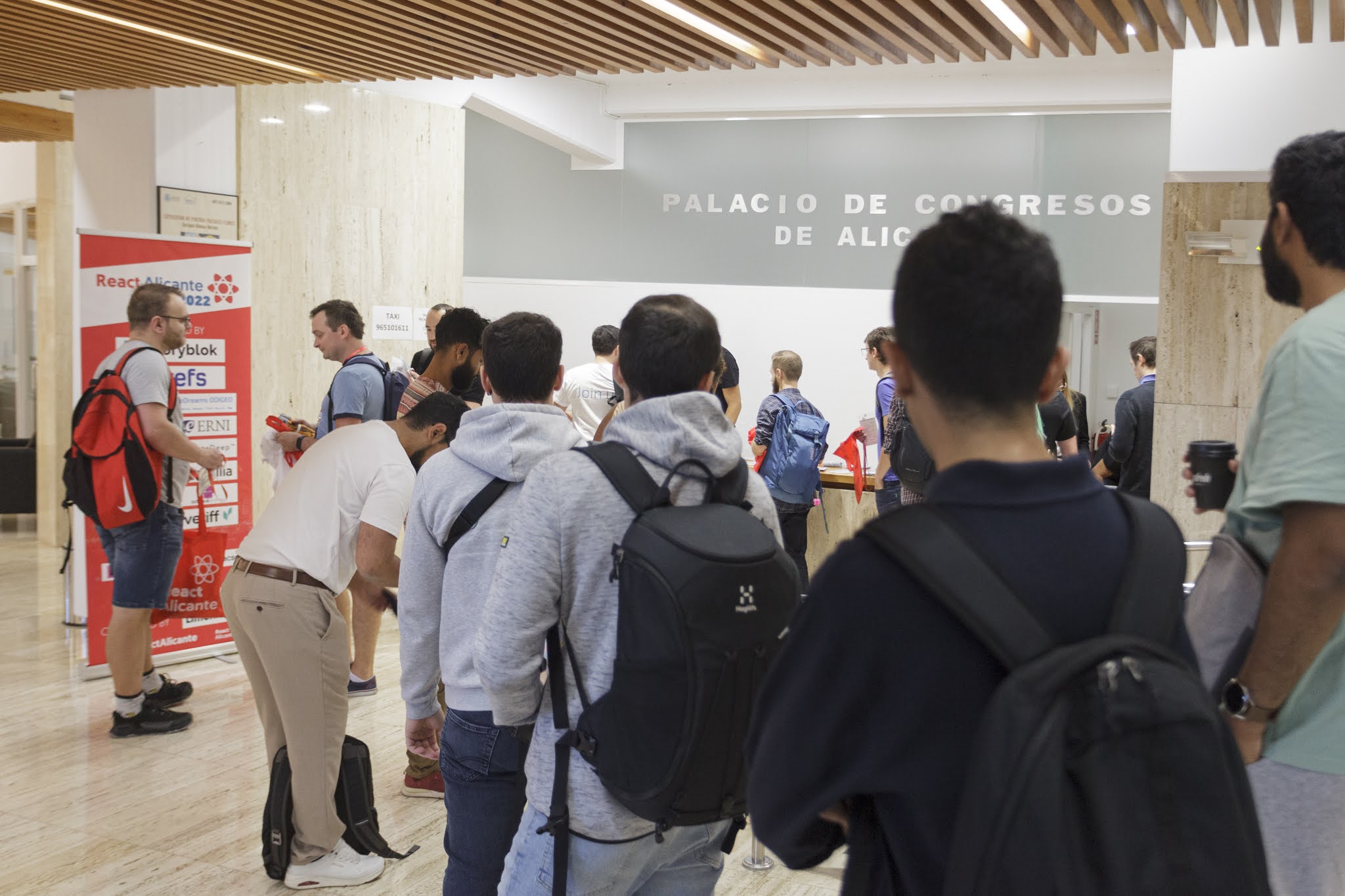
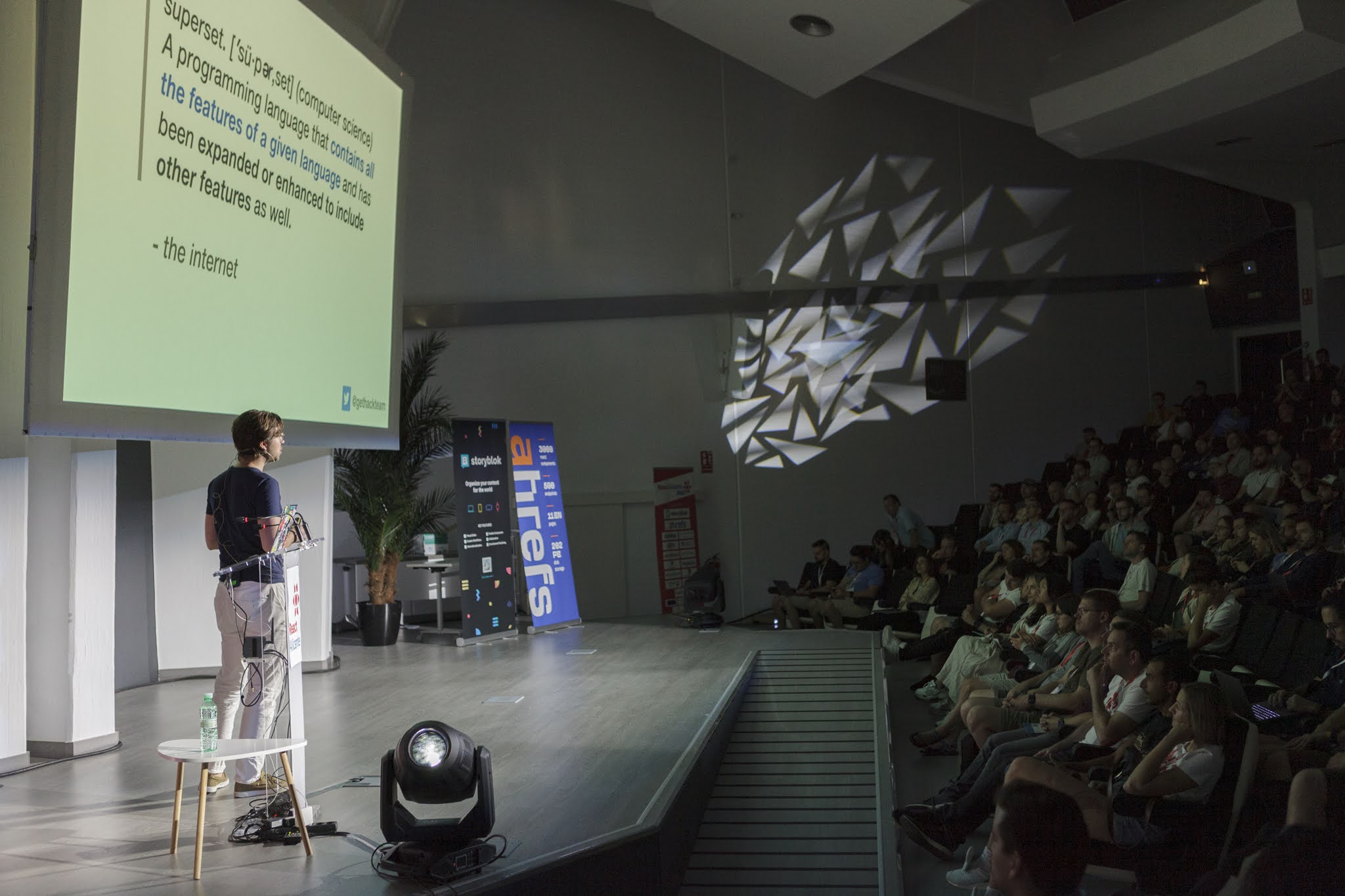
The conference will take place at Palacio de Congresos de Alicante, a modern conference hall that both the speakers and audience will love.
Here we have gathered information about some accommodation possibilities.

Airports

Alicante's airport is one of the busiest in Spain, with flights from 119 different destinations. Alternatively, you could also fly to Valencia, taking a direct train from there to Alicante (90 min.), or Madrid, taking the high-speed train to Alicante (2.5 hours).

Our sponsors

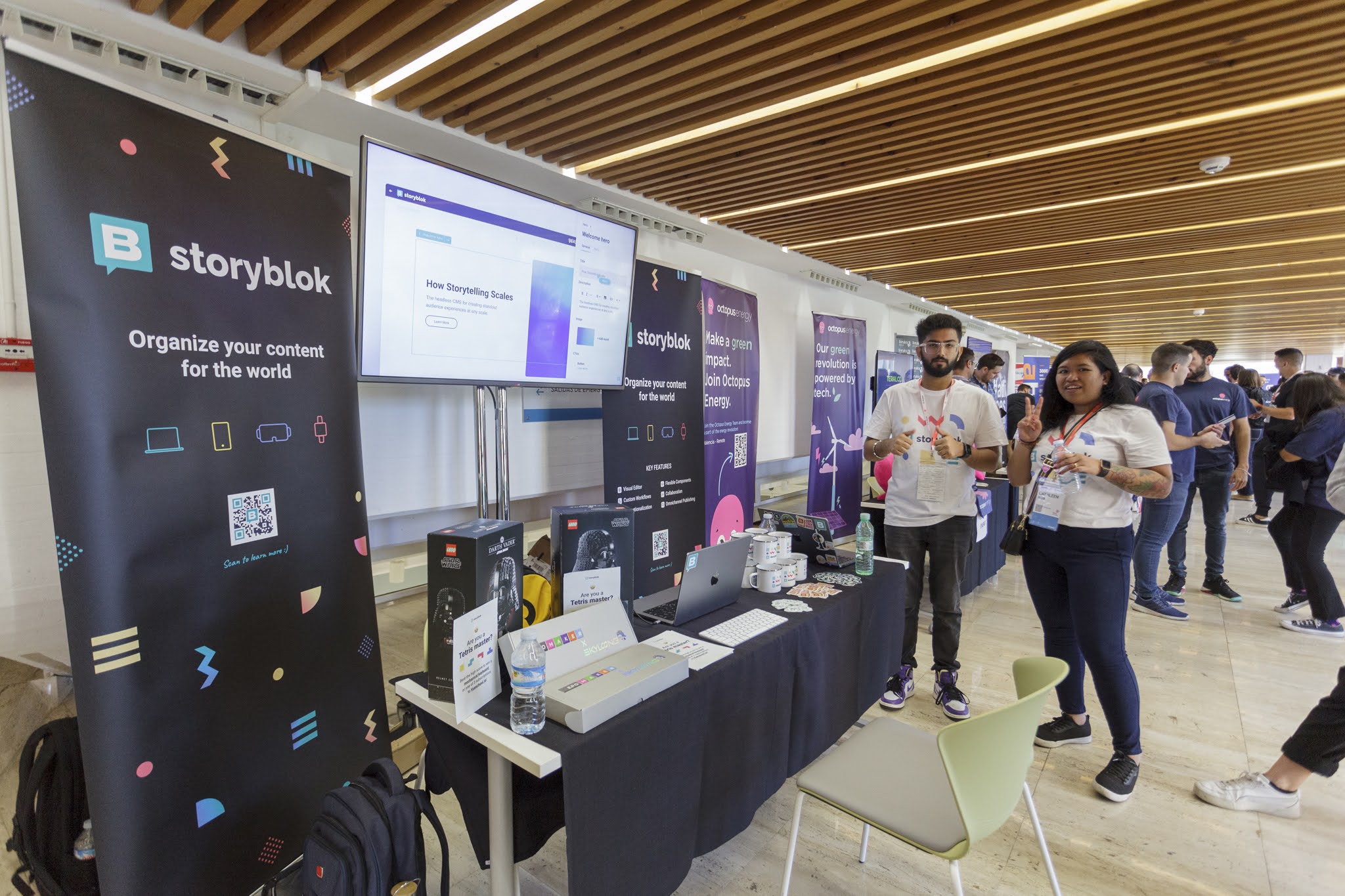
They made React Alicante 2025 possible. Jump on board for the 2026 edition!

GOLD SPONSORS


SILVER SPONSORS


BRONZE SPONSORS & MEDIA PARTNERS


ORGANIZED BY


Do you want to become a sponsor?

Contact Info

Address:Avinguda de Dénia, 47, 49, 03013, Alicante, Spain

E-Mail: react-alicante@limenius.com